
This week, we are going to Morocco, one of the most curious and visited countries on the African continent, and visiting Rabat, the capital of Morocco. Undoubtedly, Morocco is one of the most enjoyable countries to see with its history, different geography, magnificent architectural lines, colorful gardens, traditions and tastes. Morocco, or officially the Kingdom of Morocco, is located on the northwestern side of the African continent, right across the Strait of Gibraltar, which separates the European and African continents.
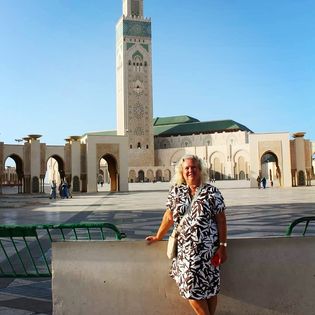
The country overlooks the Mediterranean Sea on the north side, the Atlantic Ocean on the west side, Algeria on the east side, and the Sahara Deserts on the south side. The natives of Morocco are Berbers. I think you need to spend at least two weeks to do this country justice, because you should definitely see destinations such as Marrakech, Essaouira, Fez, Rabat, the blue city Chefchaouen, Tangier, the red Sahara Deserts, the Atlas Mountains, the highest mountain chain in Africa, and Merzouga while you are here. required. I am sure that Moroccan experiences will make your trip unforgettable. In this article, I will try to introduce you to Rabat, the capital of the Kingdom of Morocco.
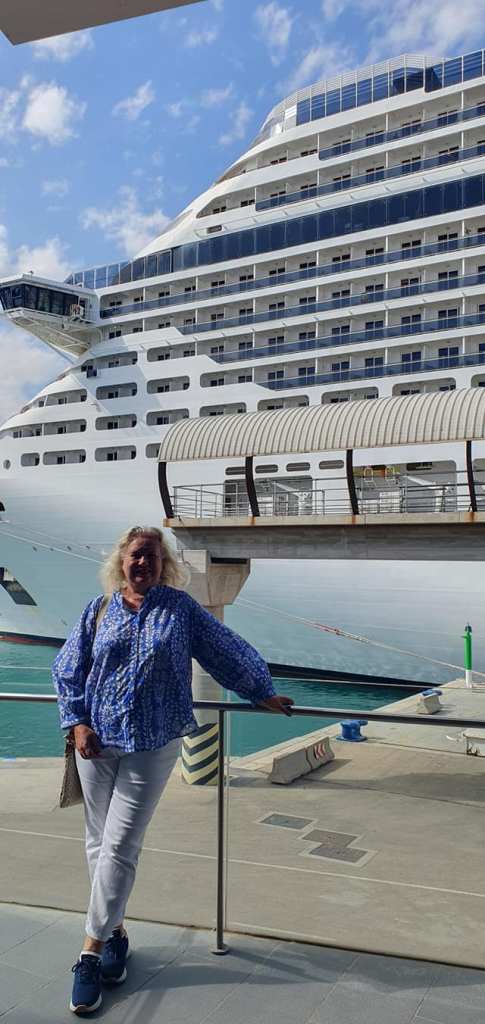
We come from Spain by sea and land in Morocco from Casablanca. This is the country’s largest city and economic powerhouse. We get in our car from Casablanca city center and go to Rabat, approximately ninety kilometers to the north. Fortunately, the weather is sunny and very suitable for traveling. The temperature is around 23-24 degrees.
Rabat is one of the four royal cities of Morocco and is located right across the ancient city of Sala. Apart from Rabat, the cities of Marrakech, Fez and Meknes hosted the royal family for a period, and each of these cities is now considered a UNESCO World Heritage Site. When we first arrive in Rabat, we are struck by the cleanliness and greenery of the city. Moroccan flags are everywhere waving in the wind in red and green colors. After all, King Muhammad VI, a member of today’s Alevi Dynasty, resides in this city. In Morocco, kingship passes from father to eldest son, and people from the same blood relatives have ruled this kingdom for centuries. King Muhammad VI is the 19th king of the Alevi Dynasty and the king of Morocco. He is the third king on the throne of Morocco after gaining independence from France in 1957.
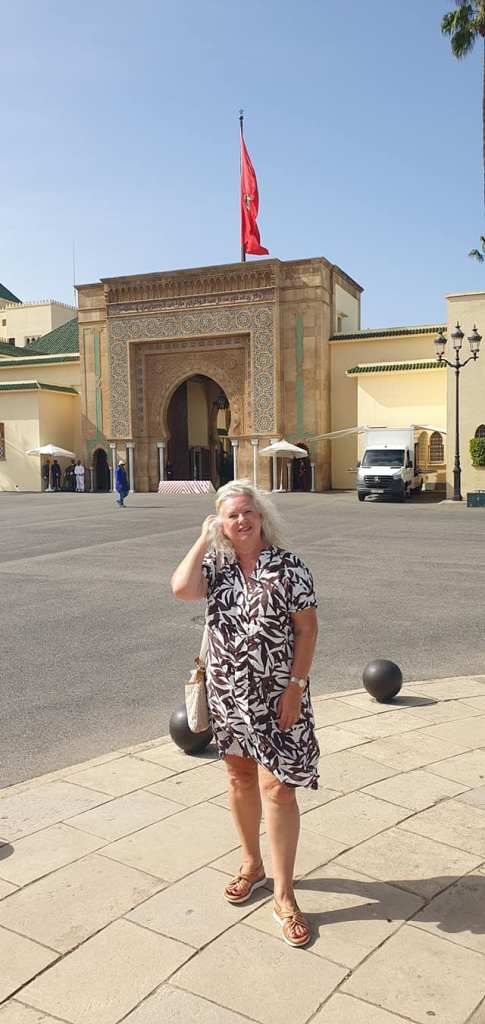
Our first stop on our Rabat trip is the palace complex where King Mohammed VI lived in Rabat. The Royal Palace, also known as Dar al Makzhen, is the primary and official residence of the king of Morocco and is located in the Touarga district of Rabat. From the main entrance gate of the Palace Garden, we enter a large courtyard called ‘mechouar’ or ‘meshwar’.
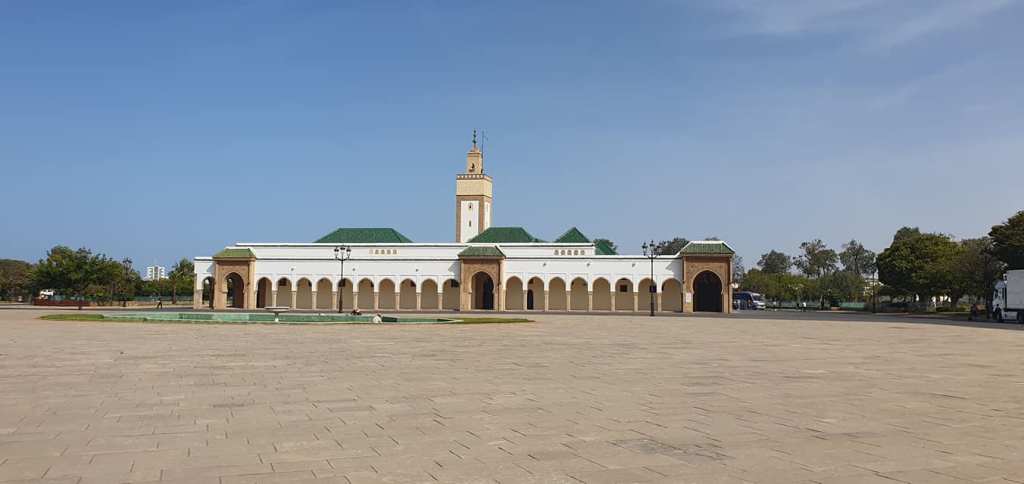
This large inner garden belongs to the palace. There are wide roads and fountains that vehicles can pass through. Ceremonies that are generally open to the public are held in this courtyard. For example, in 1955, the return of King Mohammed V from exile was celebrated in this square. Unfortunately, we are not allowed to enter or even approach the palace, which has a giant Moroccan flag at the entrance. They allow us to watch the magnificent main entrance gate of the palace in the Arab Architectural style, built in 1864, from a distance of about a hundred meters.
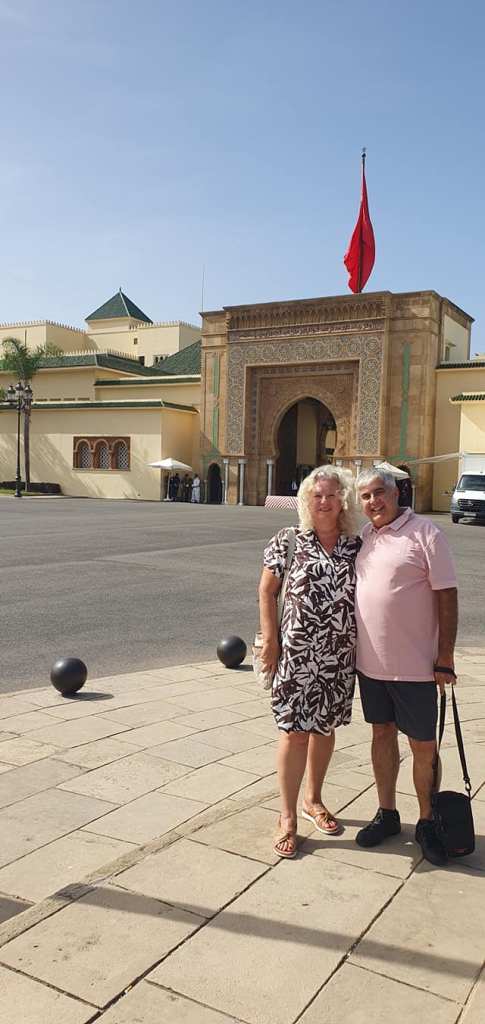
When you try to get closer, the palace guards immediately warn you. Moroccan kings use more than one palace in the country, but when the French captured Morocco in 1912, they strategically wanted the king to reside in this palace in Rabat because it was very close to the main command center of the French.

The palace also hosts wedding ceremonies or special occasions of the royal family, as well as the schools where the royal family is educated and a library.
From here, we get in our vehicles again and this time we go to the mausoleum of King Muhammad V, which is considered an important historical value for Morocco.
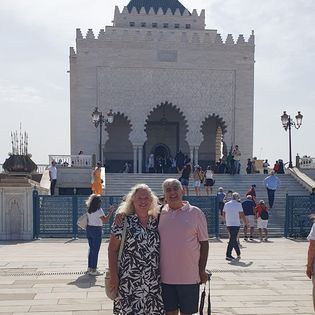
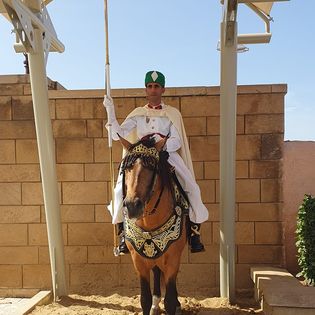
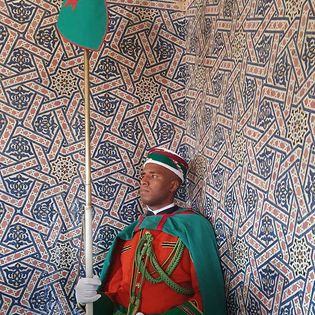
At the entrance of the mausoleum, the guards of the palace protect the mausoleum on horses.



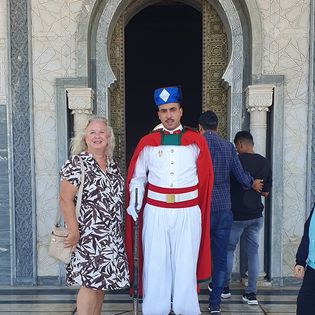

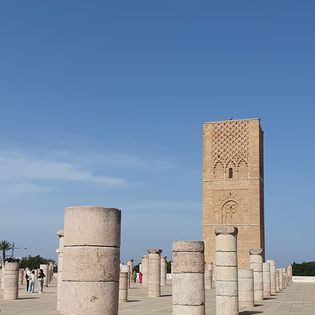
Just opposite the mausoleum is the historical Hasan Tower. Hasan Tower is a mosque with a forty-four meter tall minaret and 348 columns in front of it, the construction of which started in the 12th century but was not completed.

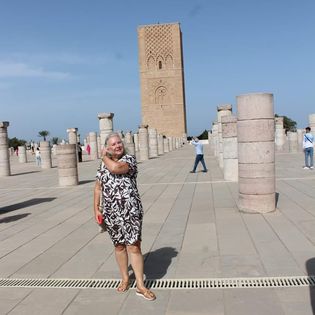
When it started, it was designed as the largest mosque in the world, but after the sudden death of the Moroccan king of the period, Jacob el Mansur, the construction of this mosque, which he planned, was completed. It was stopped and today you can see the ruins that have survived since then.

Our next stop is, in my opinion, the most interesting and lively corner of Rabat, the Kasbah of the Udayas.

‘Kasbah’ actually means castle and refers to the settlement of Rabat inside the old castle walls.
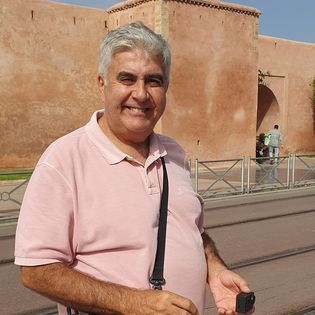
These city walls of Rabat were first built in the 12th century and were built in the following centuries.
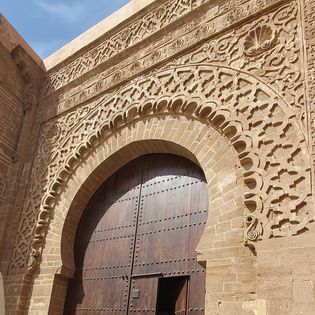
It has been repaired or added to many times.
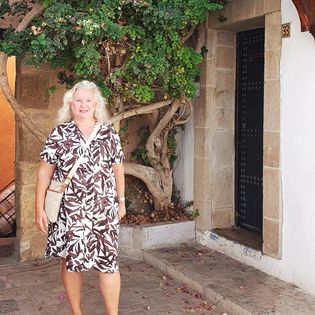
The Kasbah is one of the most touristic places in Rabat and consists of old-style white and blue houses with courtyards. Today, small shops in the side streets sell souvenirs, carpets, lamps, local works of art and small groceries.
There are beverage shops. This is the old heart of the city, that is, its ‘medina’.
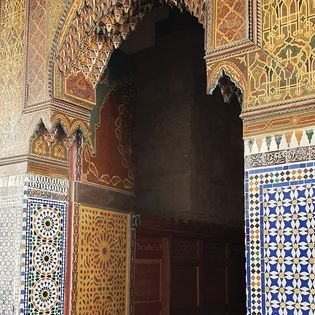
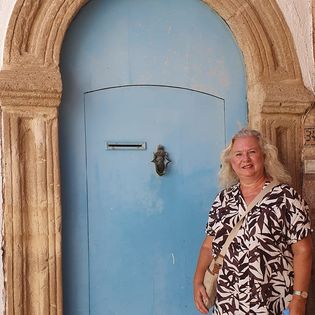
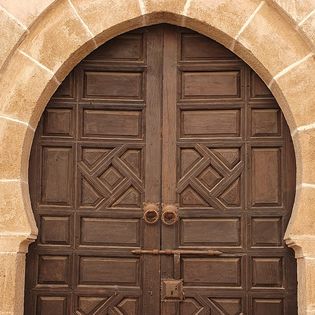
The giant entrance gates of the Kasbah, especially the medina, and the doors and windows of the houses are very aesthetic and attractive with their dense wooden decorations.


The most magnificent one is the castle gate Bab-er Rouah. The others are Bab-el -Had, Bab-al-Alou, Bab Zaers and Bab al-Hadid. Inside the Medina, there is also the 17th-century Andalusian Wall, which divides this old settlement into two. Andalusia There are five such castle gates in the inner parts of the Wall: Bab Jdid, Bab al-Bouiba, Bab Chellah, Bab Mellah and Bab Diouana.
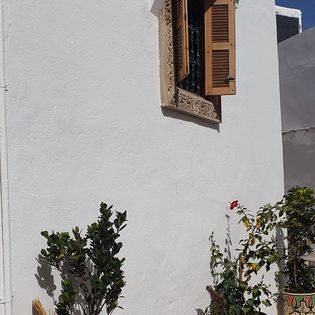
At the back of Medina are the Andalusian Gardens. There are also old mosques in the interior of the Kasbah, such as the 12th century Jama al Atiqua Mosque and the 18th century El-Kharazzin and As-Sunna Mosque. Rabbi Shalom Zawi and Talmud Torah Synagogues, where Jews worship, and St Peter’s Cathedral and the Evangelist Church of the Christian world. And it’s here again. We enter the Kasbah through the imposing and ornate main gates of the Kasbah.
The streets of the old city are pure white and clean in this area. Magnificent pots and flowers in front of the houses decorate the courtyards and side streets.

The doors and windows of the houses are magnificent. Occasional blue and green tiled fountains or decorations. This is a very cute place.

At the back of the kasbah, we come to a square with a wonderful sea view.

The blue waters of the Atlantic are shining and the yellow sand here suits these blue waters very well.
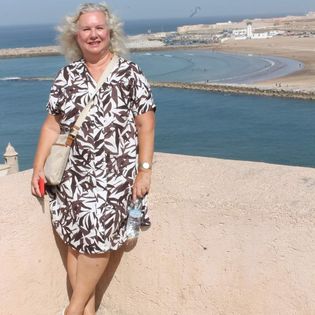
It is so nice to forget time and get lost in the streets of this historical labyrinth-like city. We leave this part of the kasbah and go to the other part of the kasbah to have lunch at a small local restaurant.
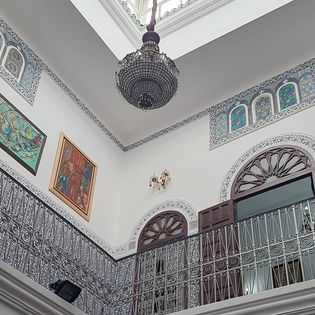
In a small restaurant, a friendly Moroccan couple offers us a local vegetable soup, a dish with meat, rice and vegetables cooked in tagine bowls, and fruits.
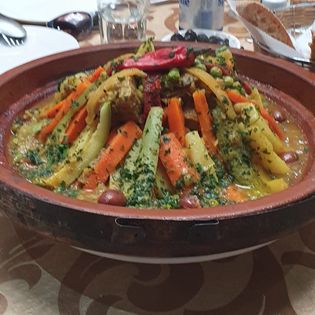
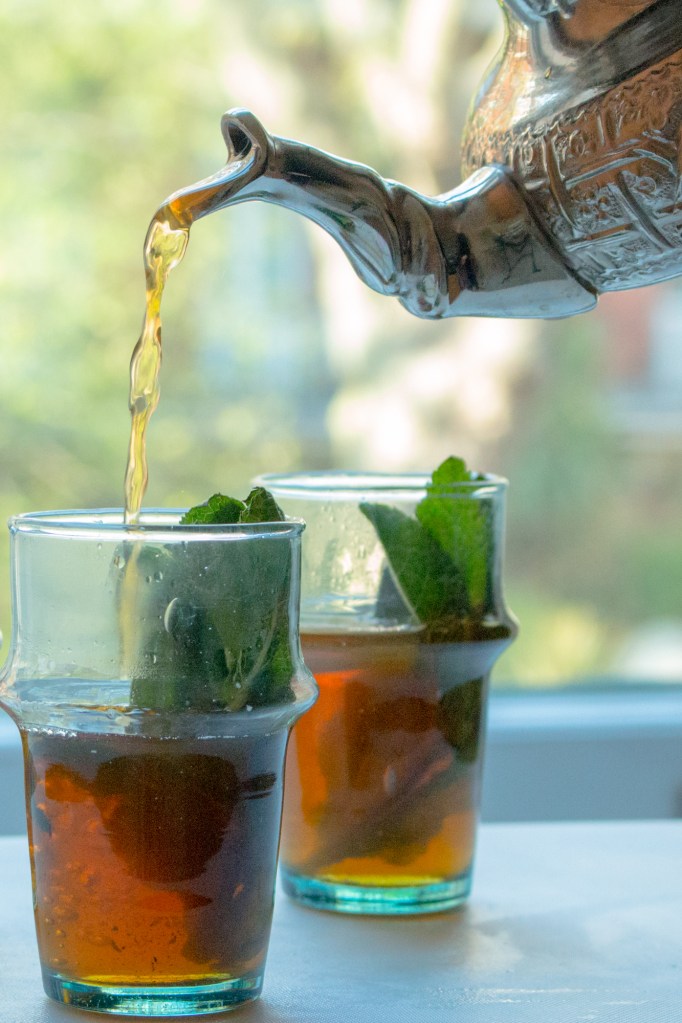
The place we are in is very nice. It is pleasant and the aroma of our food is very nice. Morocco’s famous mint tea is also offered to those who wish.
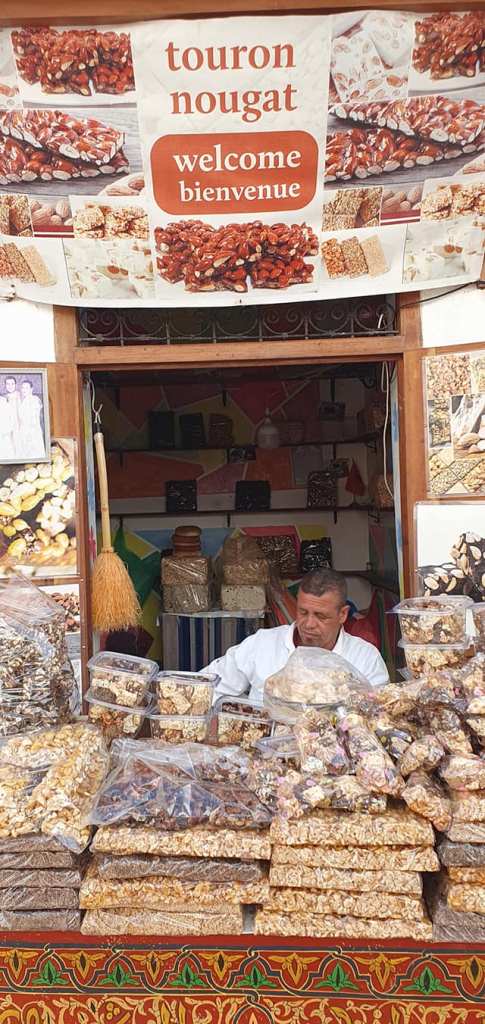
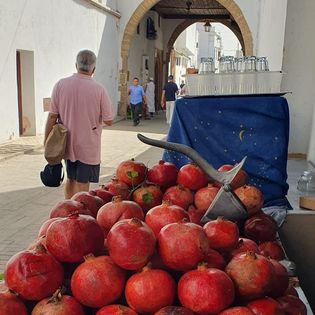
After eating our meal with pleasure, we try to go back to the main street through the streets of the medina. We come across locals selling fresh pomegranate and orange juice, all kinds of snacks and especially almonds and almond candies, tajin bowls, locally patterned tea and coffee cups, and colorful ceramics.
We buy almond and hazelnut krik krak to taste. Its taste is so original and delicious. In general, the spices used here are very nice, their aroma is intense and unique because it is not artificial.

We are slowly making our way back.

As we leave the city, we see the more modern face of the city. We see Art Deco and Art Noveau buildings from the 20th century. Bank al Maghrib Building, Post Office, Parliament Building, Rabat-Ville Train Station, St. It suits the streets of Rabat very well.
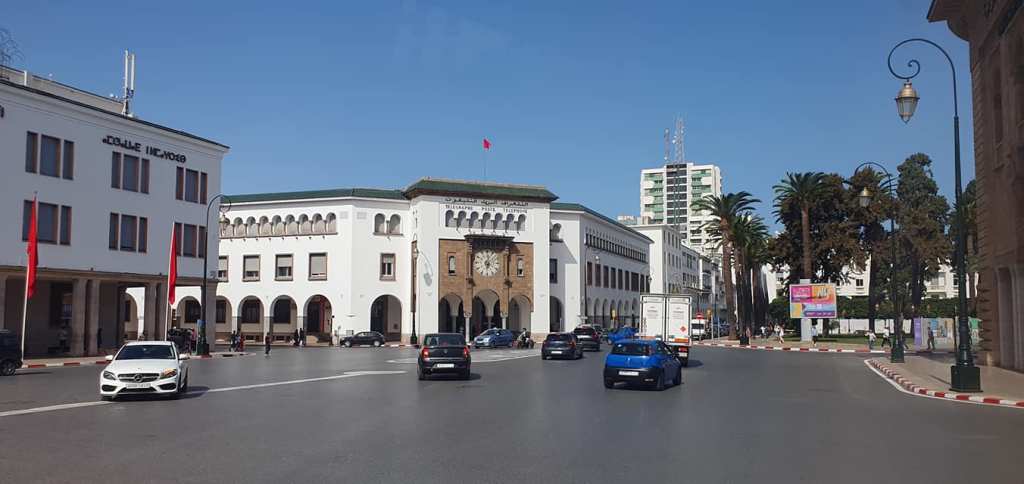
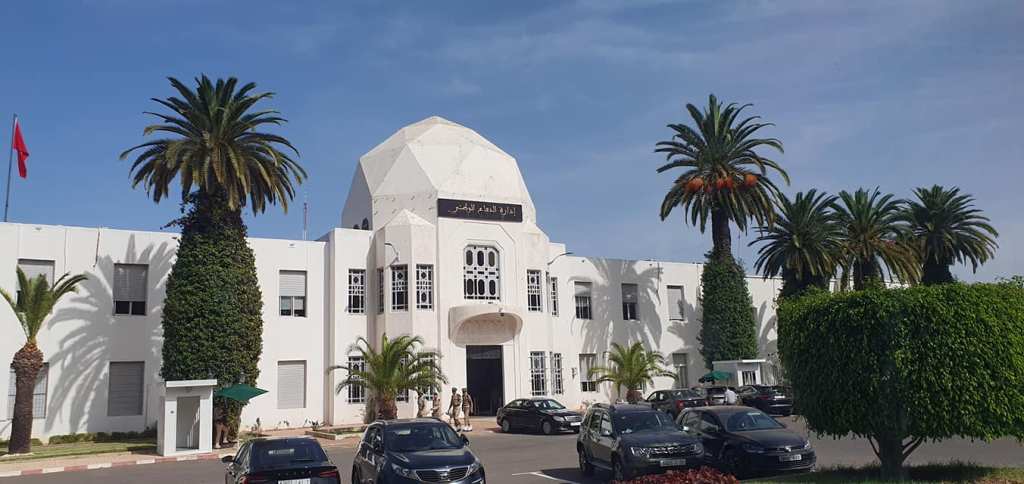
On the other hand, the Grand Theater of Rabat, which was designed by the world-famous architect Zaha Hadid in 2014 and resembles the head of a Cobra snake, is also here.
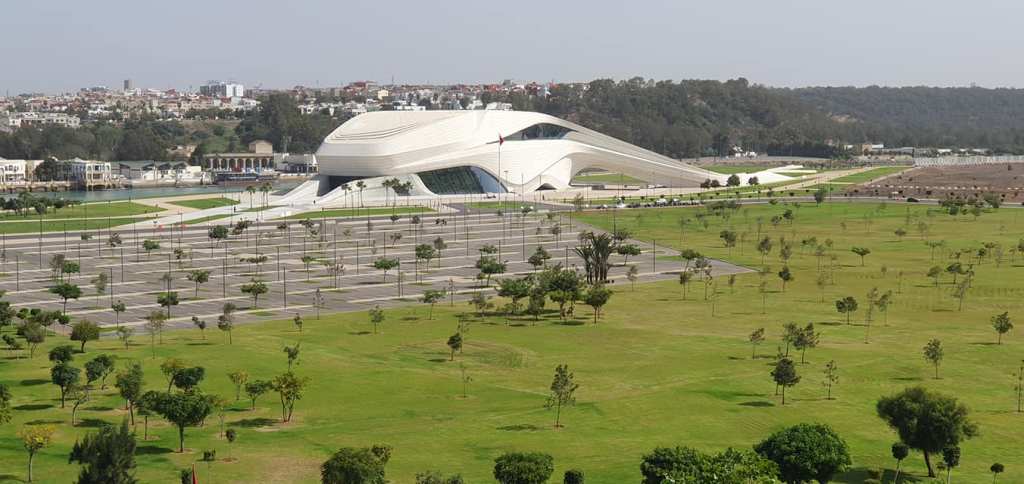
This building is the largest theater building in the Arab world and the African continent. The taste of this city remains on our palate as we leave the city. Undoubtedly, this country, with its colors, geography, culture, flavors, open-air markets, art, history, cities, deserts and mountains, is a very special destination of its own and needs to be done justice by visiting it in great detail. For this reason, I recommend that you come here and spend plenty of time, explore every corner of the country and discover every beautiful corner before the world changes. My mind is also on Morocco. I cannot forget the smell of fresh almond sugar in the air. I would like to spend a long time in this country and come back again at the first opportunity

 Deniz Dikmen Blue