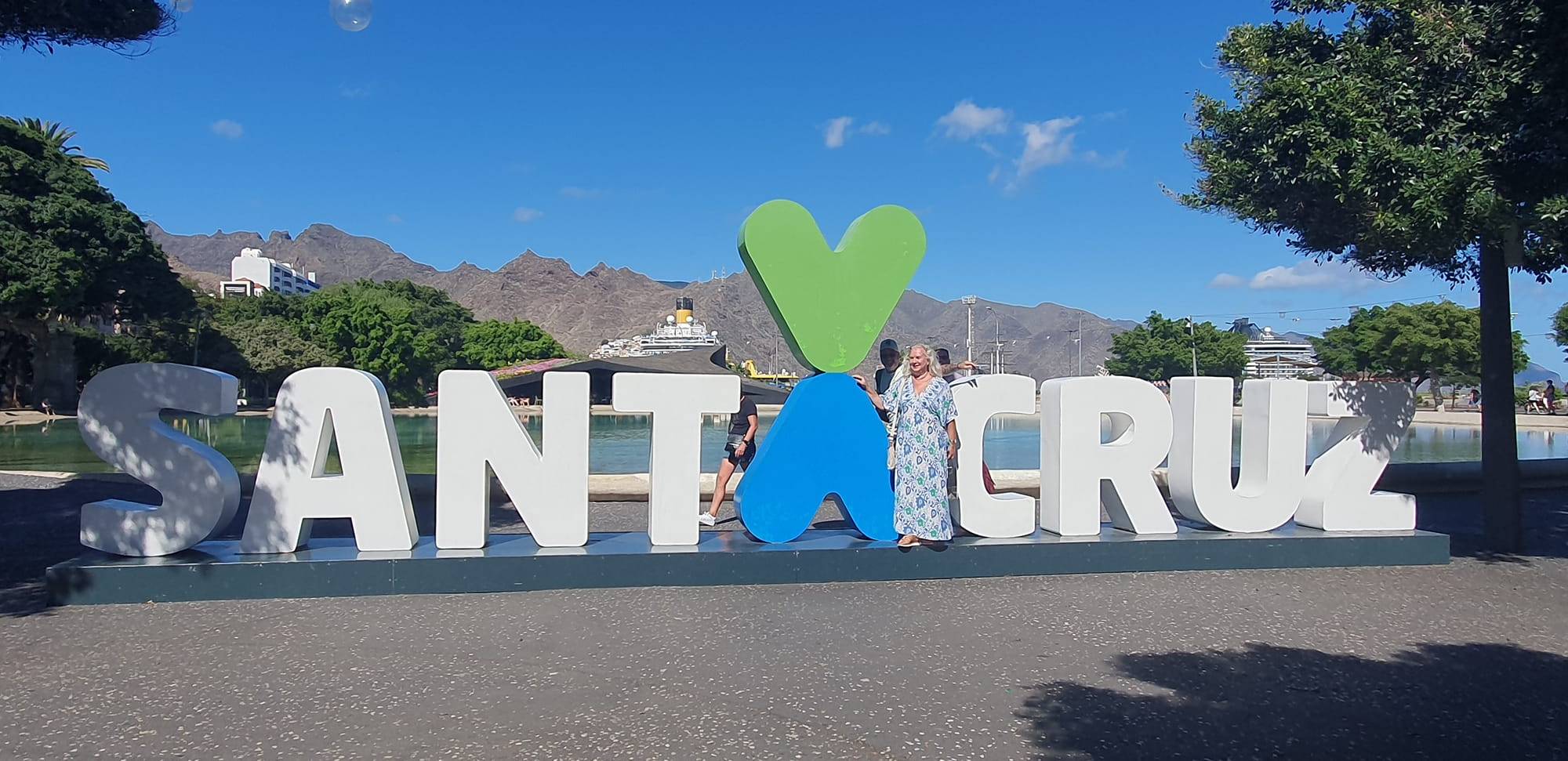
This week, I want to go with you to a peaceful destination, away from the world and its troubles, where we can experience the serenity and beauty of nature. It is October and the weather in the northern sphere is cold and autumn winds have started, but we are going to the Canary Islands, Tenerife Island, which has warm and bright weather.
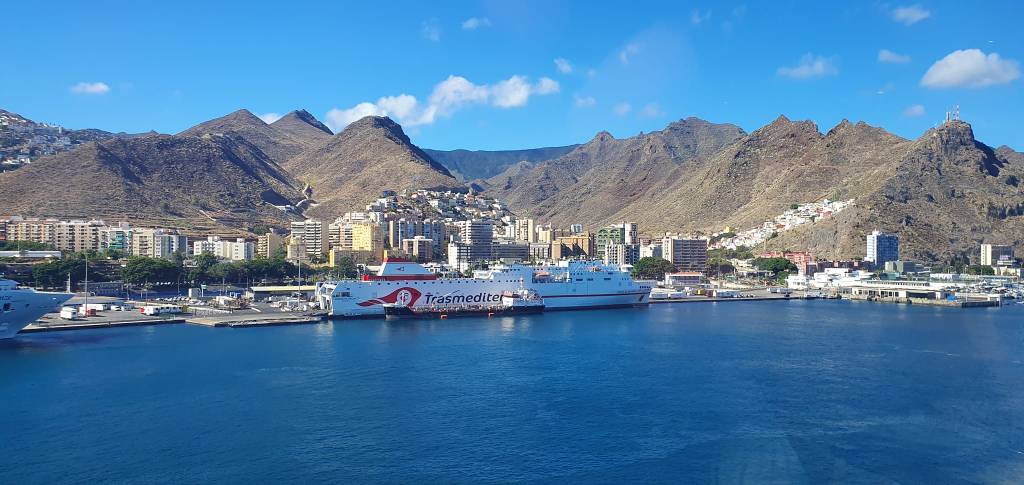
The Canary Islands consist of eight volcanic islands: Tenerife, Fuerteventura, Gran Canary, Lanzarote, La Palma, La Gomera, El Hierro and La Graciosa. This group of islands is located off the Atlantic Ocean, approximately three hundred kilometers west of the African continent, and is part of Spanish territory, but the islanders since they have always seen themselves as a separate community, in 1982 the Canary Islands were accepted and administered as an autonomous region of Spain.
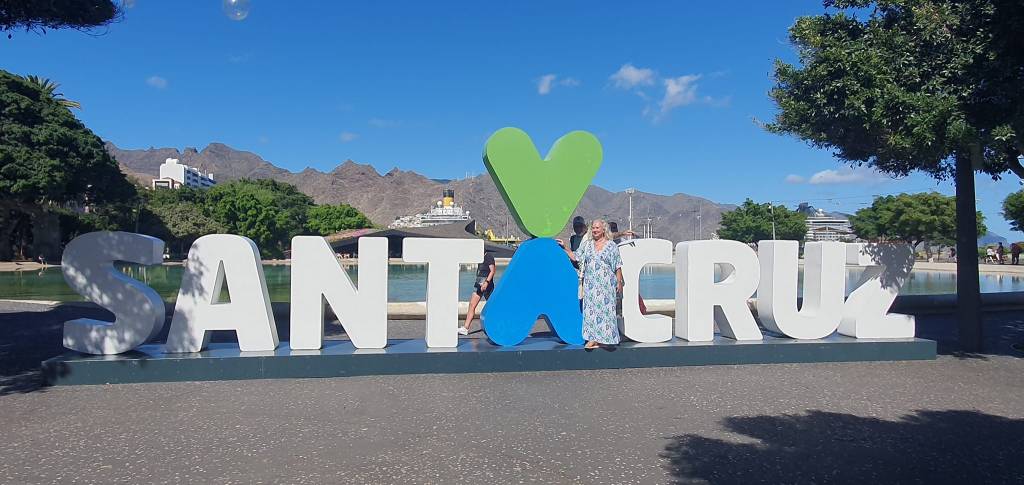
The Canary Islands, along with the Cape Verde Islands, are also in an important strategic position because it is the westernmost port of Europe when passing to the North or South American continent and is used as the last supply point for Atlantic crossings.
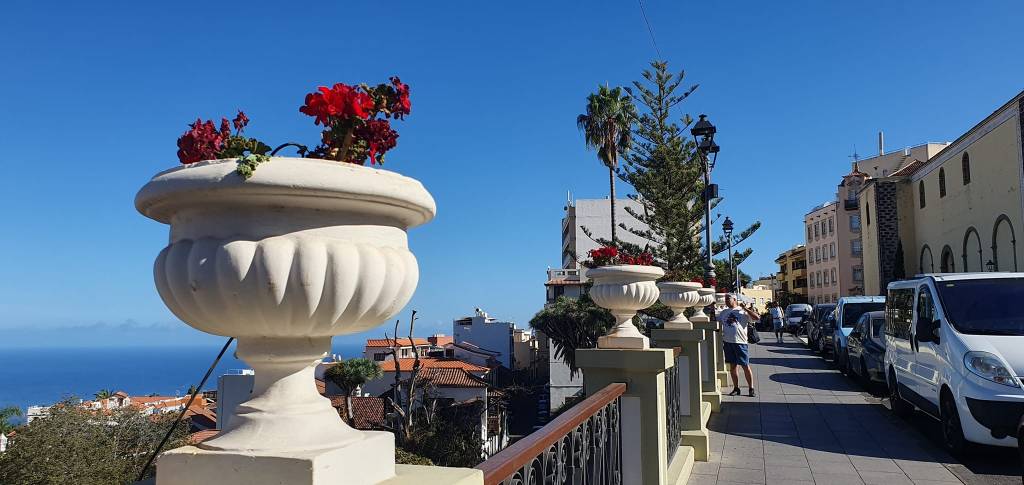
Tenerife Island is the largest and most well-known of the Canary Islands in the world, with a surface area of two thousand square kilometers and a population of nine hundred thousand. Santa Cruz de Tenerife is one of the two capitals of the Canary Islands, along with Gran Canaria. The name ‘Tenerife’ comes from the language of the local people called ‘Guanche’, who lived here in the fifteenth century before the Spanish. Tenerife means ‘white mountain’ in this old language and refers to the Teide Volcano on the island. According to the belief of the Guanches, there are two gods named Achamanu and Gauyota. It was believed that Achamanu was the god of goodness and Gauyota was the god of evil. It was believed that Gauyota lived in the volcano in the form of a black dog. According to the belief, the volcano symbolized the entrance gate of hell. According to local mythology, Gauyota, the god of darkness, imprisons the sun in the Teide Volcano and plunges humanity into darkness, but Achamanu saves the sun and brings humanity back to light.
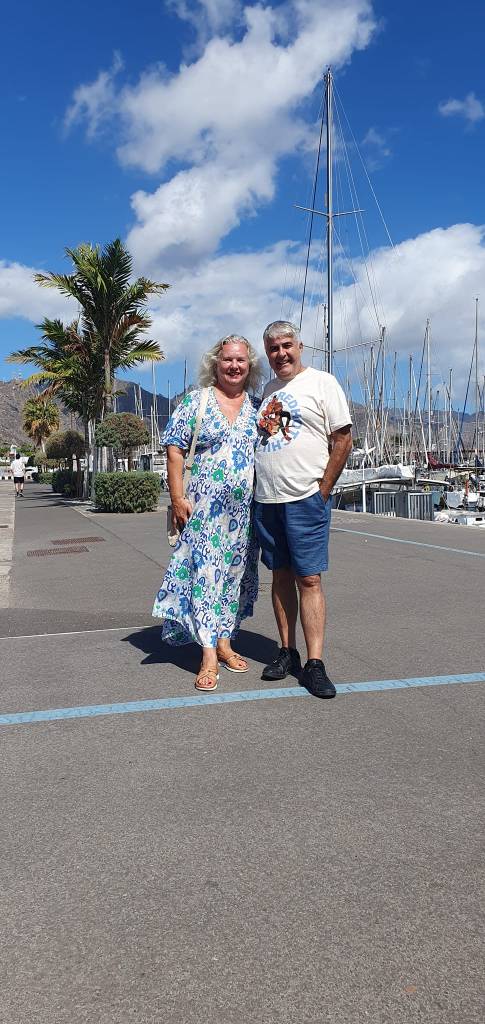
We get into our car in the morning from Santa Cruz de Tenerife and go out to explore the island. The weather is wonderful. Our goal is to visit the five-hundred-year-old village of Orotava, located at the foot of the Teide Volcano, approximately forty kilometers away.
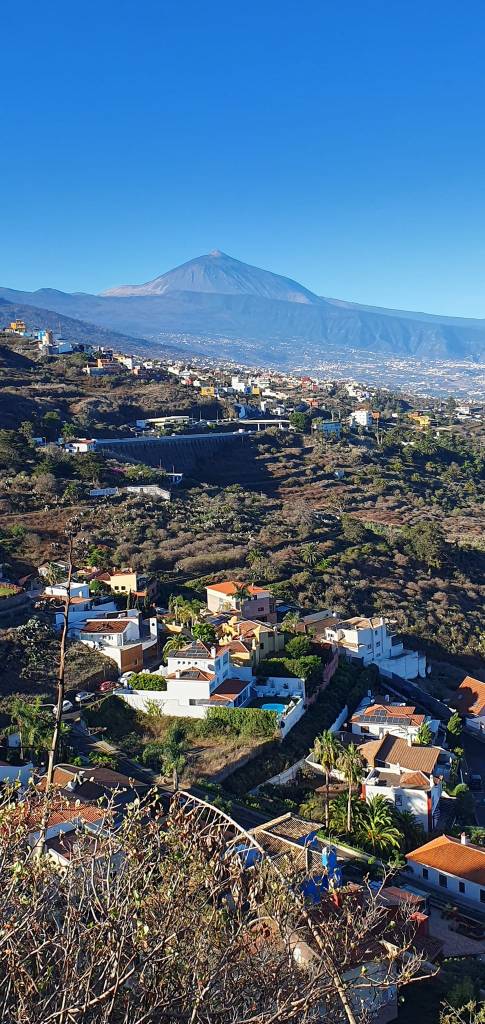
As we drive on the road, Teide Volcano shows itself in all its glory. We are very lucky today because the weather is clear. Thus, we can see the Teide Volcano and its top. Unfortunately, it is not possible to see the volcano on cloudy days because Teide is lost among the clouds. Teide Volcano is the third highest volcanic island in the world and the highest point in the Atlantic Ocean, with an altitude of 3718 meters. Teide is a magnificent destination with its extraordinary location, view, geological structure and surrounding fauna and flora. Although the volcanic structure is 3700 meters above water, the entire structure, including its underwater extension, reaches approximately 7500 meters. Teide Volcano is structurally similar to the Hawaiian Islands and provides important evidence to describe the geological processes of the world. Therefore, this volcano is of great universal importance for the scientific world.

Today, Teide National Park has been considered a UNESCO World Heritage Site since 2007 due to its special natural structure. If you ever go to Tenerife Island, I strongly recommend you to hike in Teide Volcano because there are dozens of hiking routes on the mountain and if you are a nature lover, you will not be able to get enough of the very different nature on the slopes of the volcano here. On our way, we pass magnificent villas, gardens and fields. Even though it is autumn, flowers continue to bloom everywhere. Bougainvilleas hang colorfully from the terraces of the houses.

At some viewing points, we could not resist and get off our vehicle and admire the magnificent views in front of us. On the one hand, the slopes of the volcano, and on the other hand, the shores and deep blue waters of the ocean look magnificent.
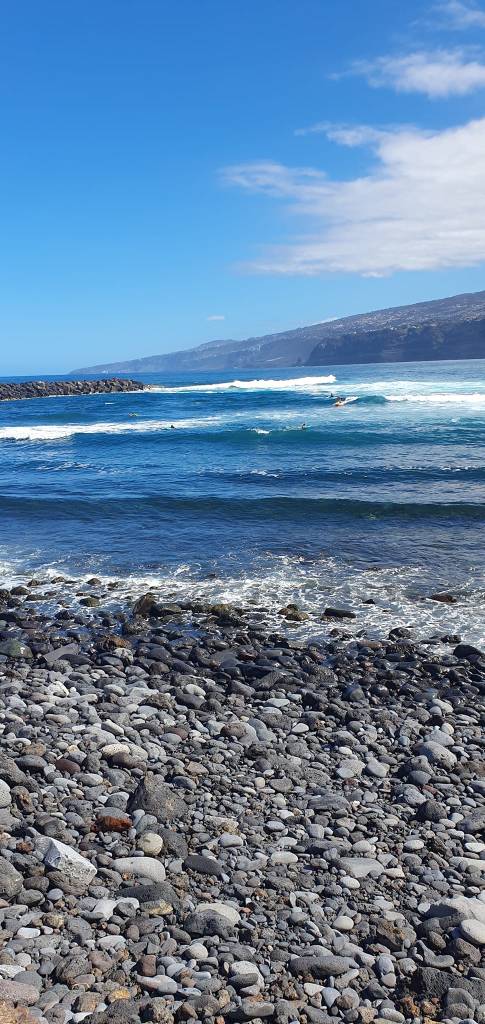
The small waves of the dark blue sea meet the black volcanic beach with their white foam. Various plants along the way also attract our attention. There are approximately one thousand seven hundred species of plants on Tenerife Island, and approximately one hundred and forty of them are endemic plants unique to this island. ‘Dragon Tree’, purple daisies, yellow poppies, pine trees and palm trees unique to the island decorate everywhere and attract our attention.
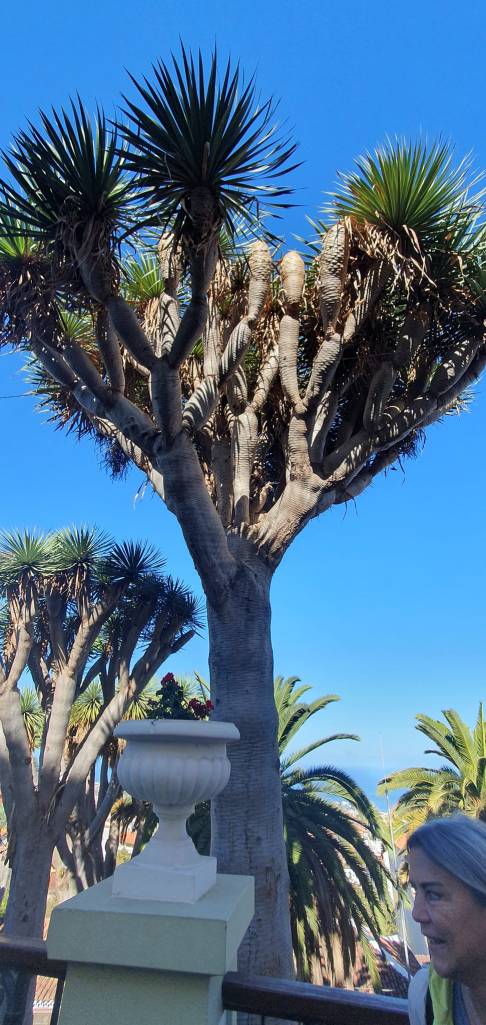
Due to the island’s different microclimate and soil structure, the soil in the region is very fertile and the fauna is very diverse.

We see banana trees, almond trees and vineyards everywhere. Local farmers also grow kiwi, avocado, mango, papaya and pineapple.
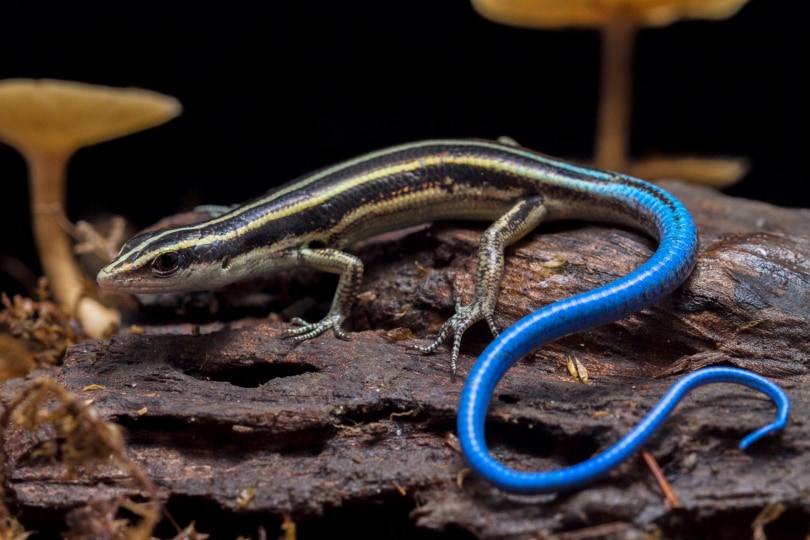
As for the fauna of the island, six thousand types of invertebrates and one hundred and ten types of vertebrate animals live here. Black pigs and blue-tailed lizards are unique animals here.
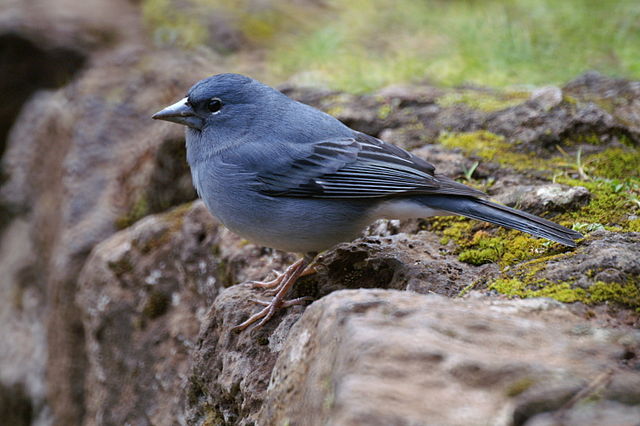
El Teide azur blue sparrow, a rare bird species, is considered the symbol of the island
After a half-hour drive, we arrive at the village of La Orotava, located in the north of the island.
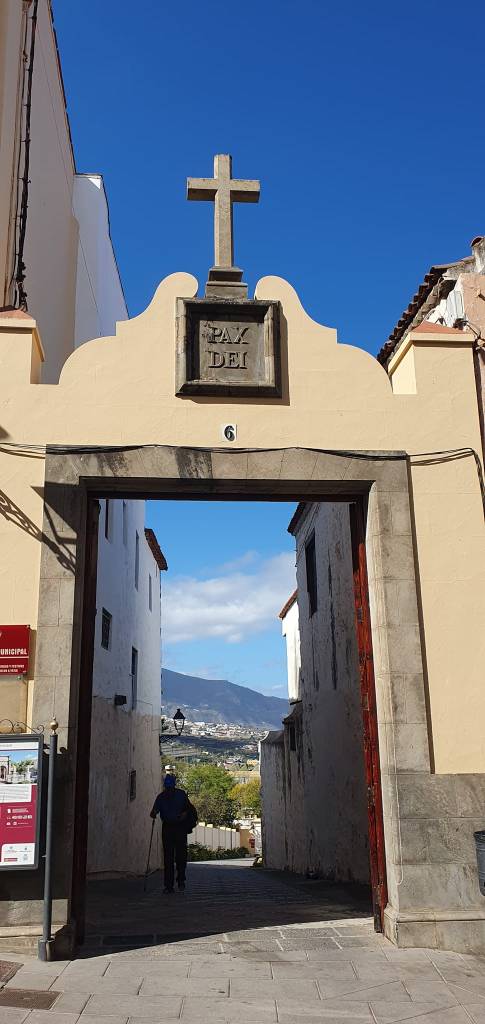
This is one of the oldest settlements of the Canary Islands and a town founded after the Spanish conquest in the sixteenth century. This region is called Taoro or Tahoro in the old local language and has the most fertile and rich lands of the island. With the Spanish invasion of the island in the fifteenth century, the nine local kingdoms that ruled here and their people were almost completely destroyed, and the lands were allocated to wealthy Spanish families known for their closeness to the Spanish king.
Not only La Orotava, but also Puerto de la Cruz, Los Realejos, La In this way, the lands belonging to Victoria de Acentejo, La Matanza de Acentejo and Santa Ursula are distributed to Spanish families. Then, sugar cane is produced in these lands using Berber and Guanche slaves, and these Spanish families who support agriculture are rewarded by the crown by gifting more land.

Today, there are nine statues in Candelaria city of Tenerife Island, in memory of the nine former Guanche kings.

We get out of our vehicle in the historical center of Orotava village and start walking around the streets of those famous houses with balconies.

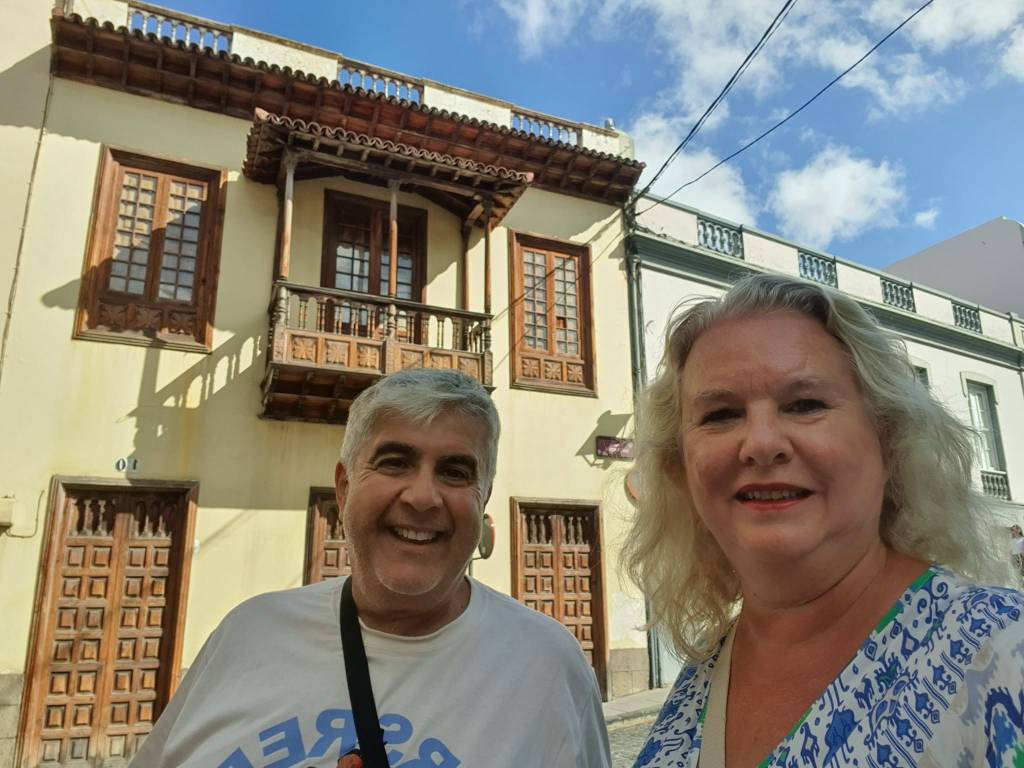
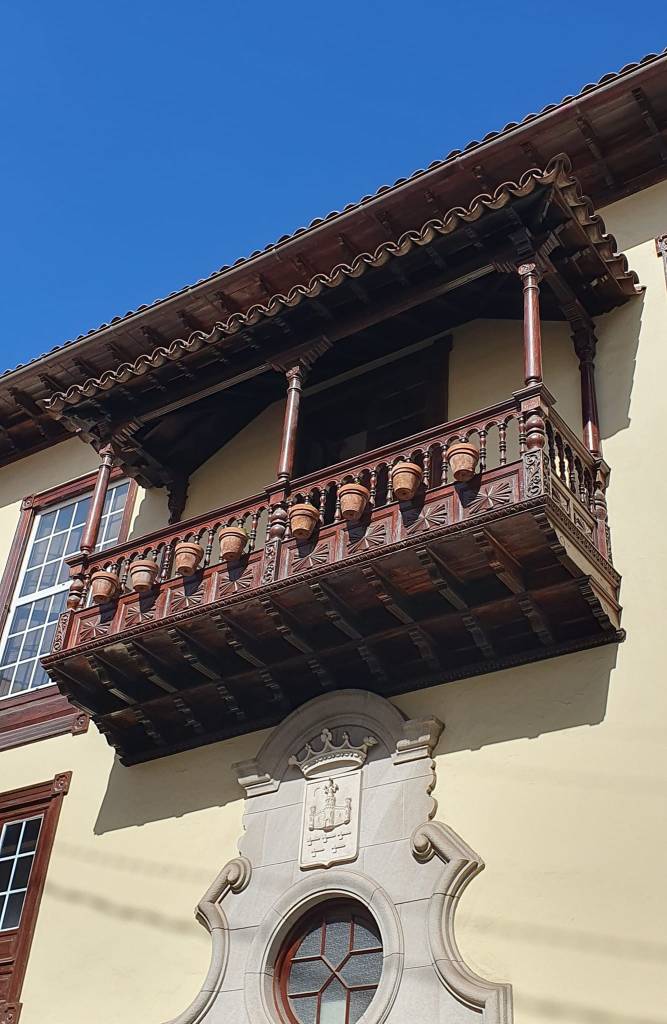
Orotava is a very cute and famous town with its wonderful two-storey, colorful and wooden houses with bay windows, balconies and open-air terraces. Some of the houses have cool courtyards and beautiful gardens. From many streets. The slopes of the Teide Volcano are visible. Local trees and colorful flowers in the gardens add incredible beauty to the town. We wander street by street and discover historical buildings.
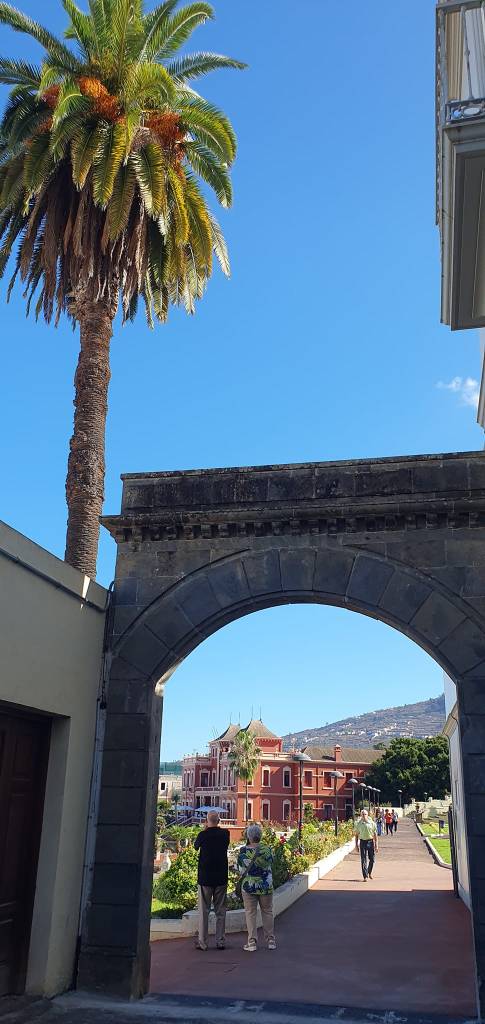
The seventeenth-century Palacio Lercaro structure is considered a world cultural heritage. The Eladia Machado building is also an important building built in the sixteenth century. Here you can buy all kinds of local quality handcrafted souvenirs, jewelry and ceramics. The colonial history of the island comes to mind: Church of Our Lady of Conception, Ajuntamiento Square, St. Augustus Church, Orotava City Hall, Carpet Museum, Calle San Franscisco, Consitucion Square, Benitez Lugo Vina House, Zerolo House, Llarena House, Mendez Fonseca House,
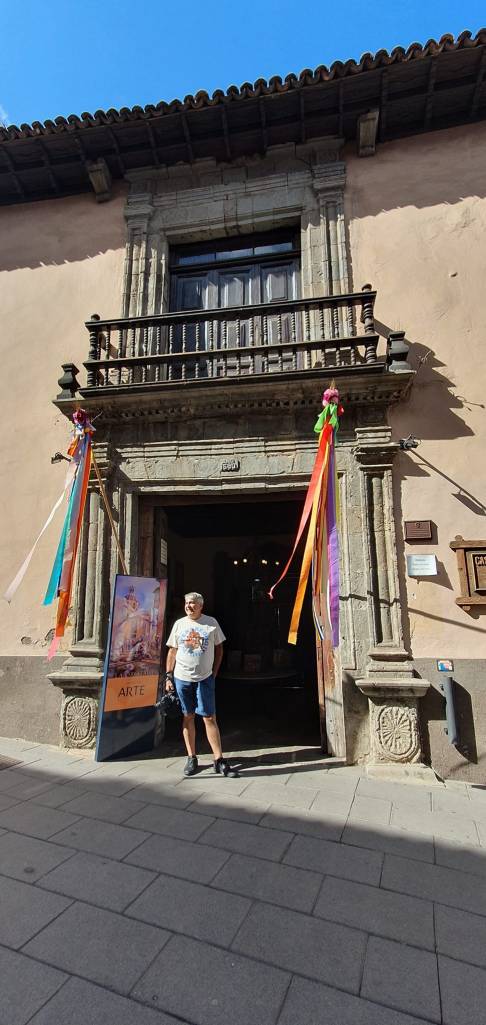
We pass by many historical buildings such as the Salazar House and the Old Laundry. In each street, we encounter new beauties and views.
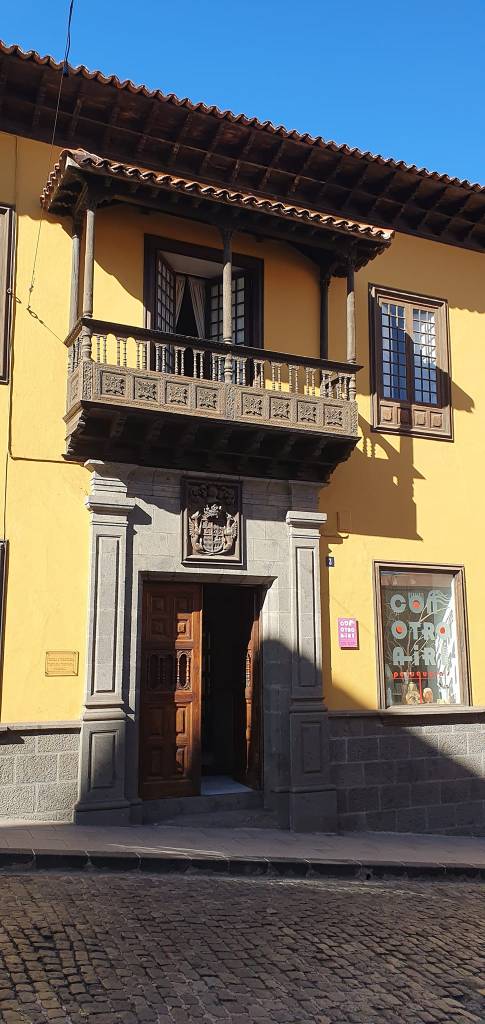
This old city structure of Orotava is really nice and very enjoyable to visit.

Orotava somehow reminds me of the five-hundred-year-old city of Trinidad in Cuba.
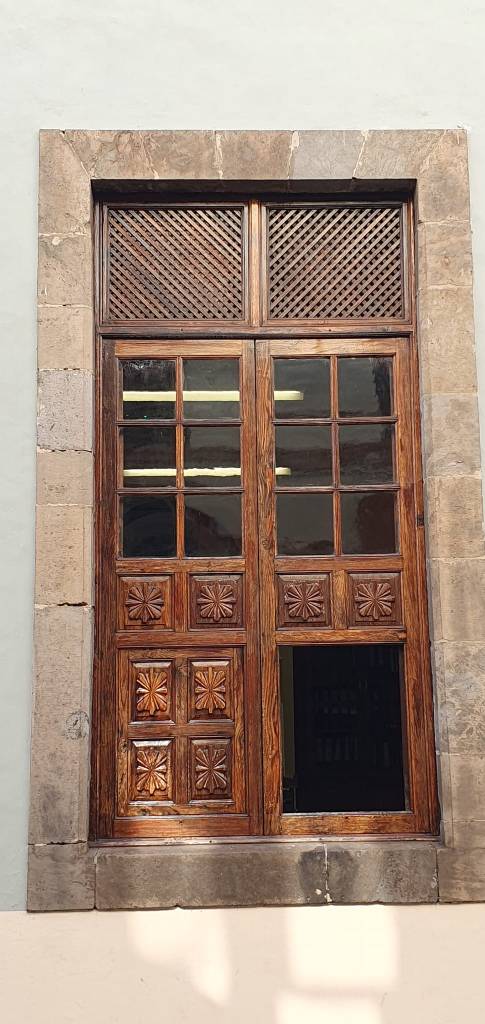
Same culture, same period and historical urban structure.
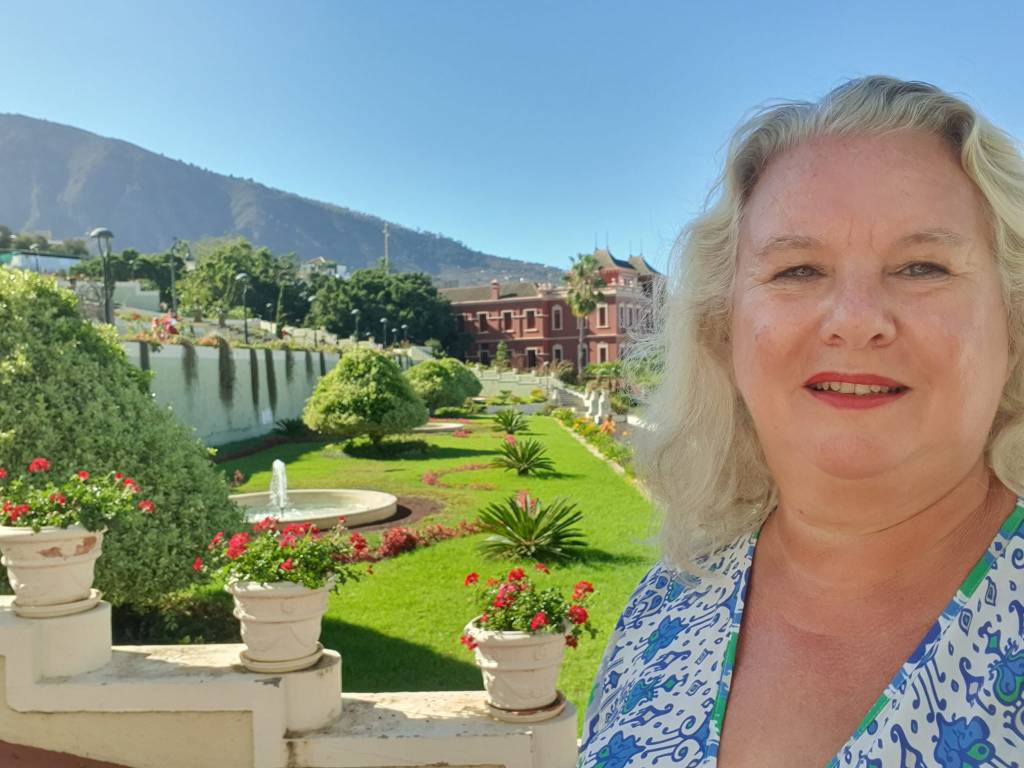
On one of the side streets we visit, we come across Confiteria y Cafe Taoro, a wonderful old cafe.
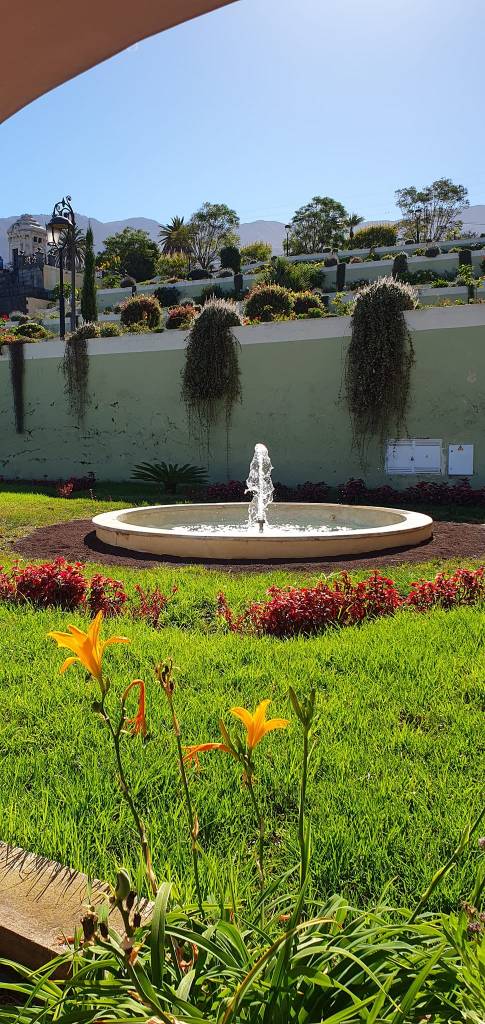
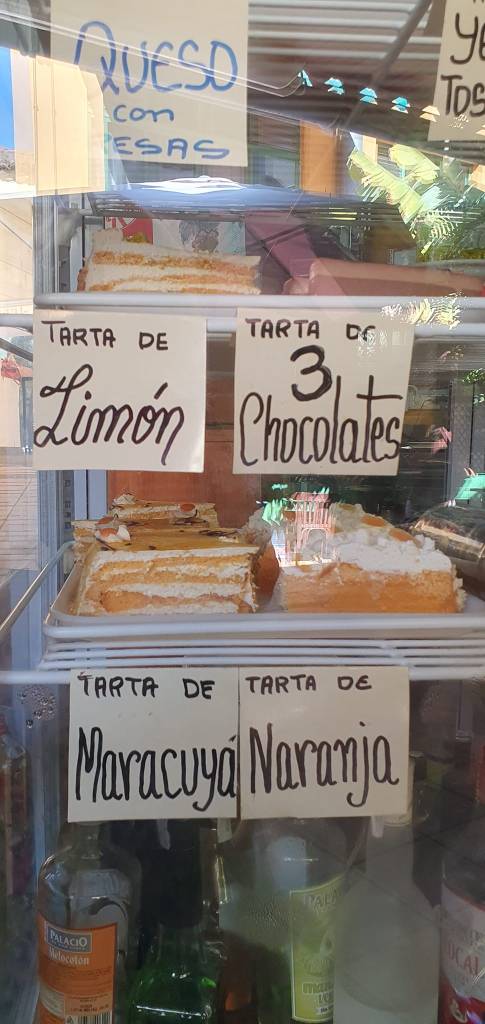
The backyard of the cafe consists of terraces and is very beautiful. There is a small botanical garden on the side. We order our espresso coffees and Maracuja and Naranja cakes specific to the region and sit at the cafe’s restaurant.
We enjoy this beautiful place in the garden. Time seems to stand still here. You just listen to the sound of nature, the sun caresses your skin warmly and your soul breathes.

In the afternoon, we go down from Orotava to Puerto de la Cruz Port. The coast consists of black volcanic sands and stones and meets the blue waters and white waves of the sea. There are surfers. The whole bay is an extraordinary view with its magnificent villas and volcano view in the background. The entire island is like a garden of paradise. It’s not for nothing that Tenerife Island is nicknamed ‘the island of eternal spring’. The climate is always perfect here, whether at sea or on land. Approximately five million tourists come to visit the island every year. Rich Spanish families have summer houses here, as in the past, and they come to spend the winter on the island.
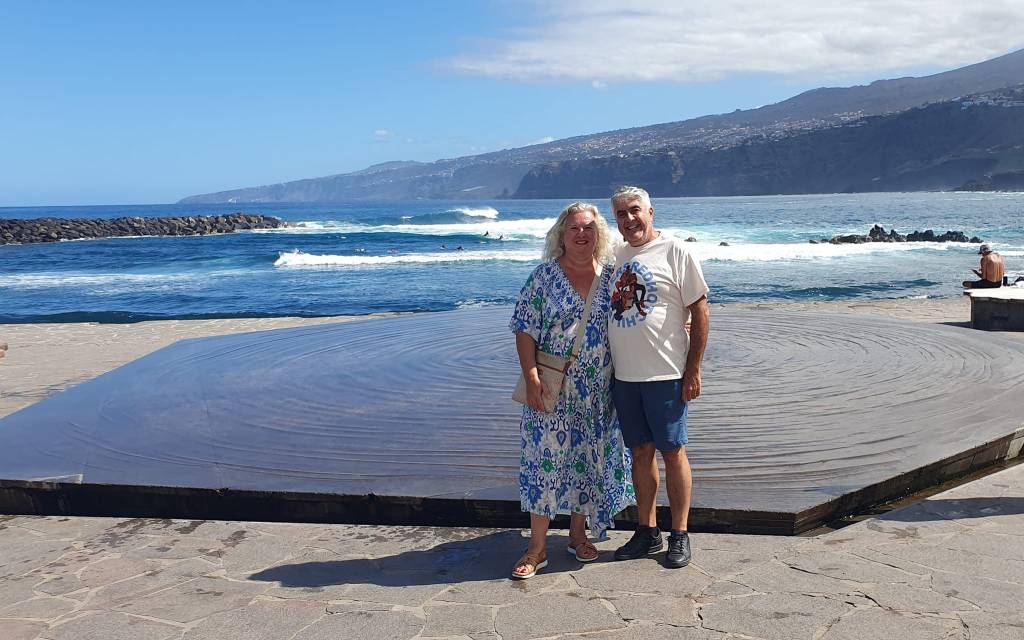
The magnificent island of Tenerife, where pirates hid their ships for a while, later lived with the local islanders, the Guanches, and then became a colony of the Spanish kings, is now a part of the European Union and serves as one of the favorite holiday destinations of European tourists throughout the year. I hope that one day you will embrace the nature and history of Tenerife Island and Teide Volcano in the Canary Islands and find a sweet peace in this extraordinary ambiance like me. I am sure you will never want to leave these place.

 Deniz Dikmen Blue
Harikasınız ‘Canlar’… 🤝
LikeLike
Cok tesekkur ederim sevgili Cem !
LikeLike